AI in the Water

Description

How can artificial intelligence help wastewater treatment plants become smarter, more efficient and more sustainable?

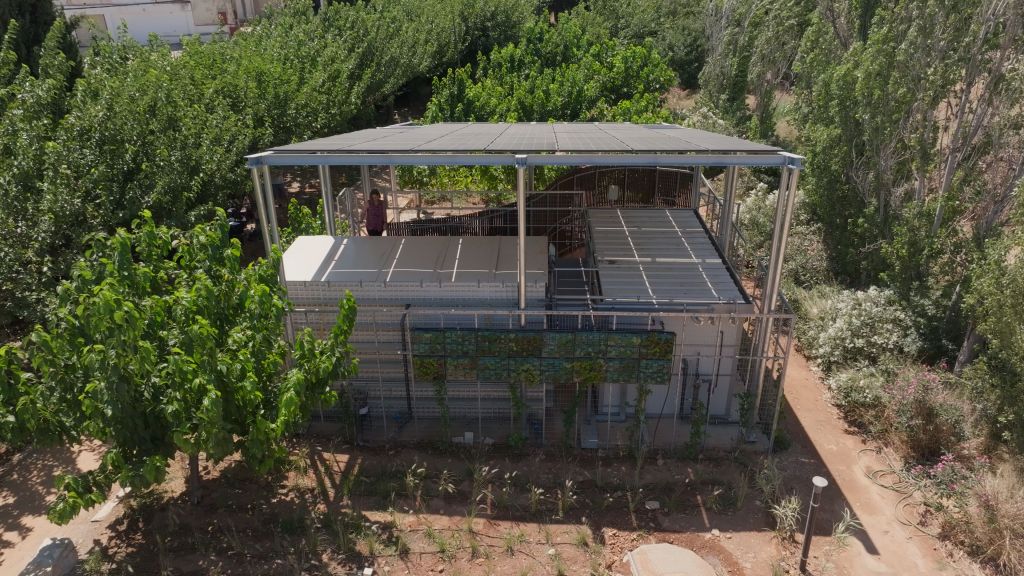
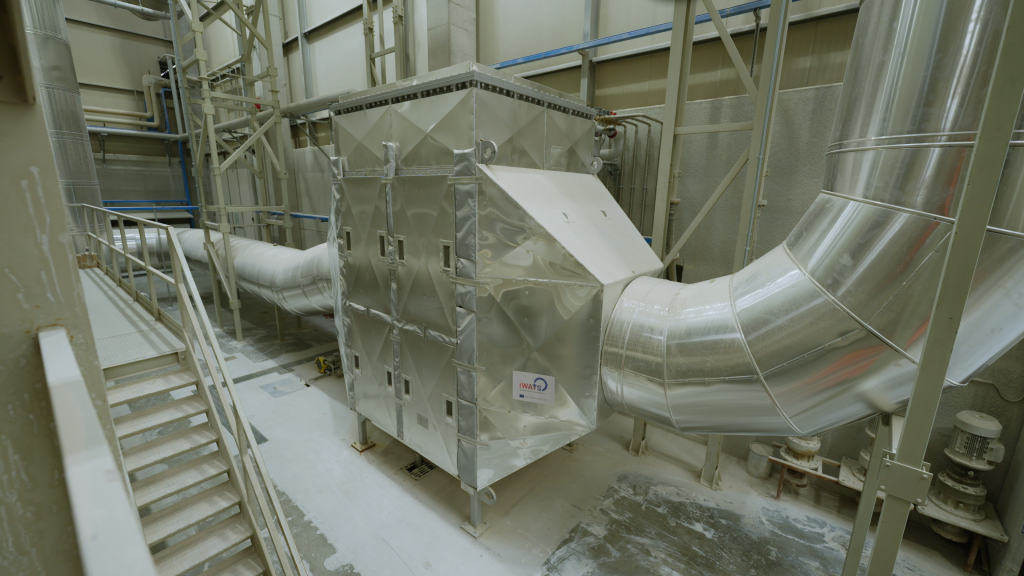
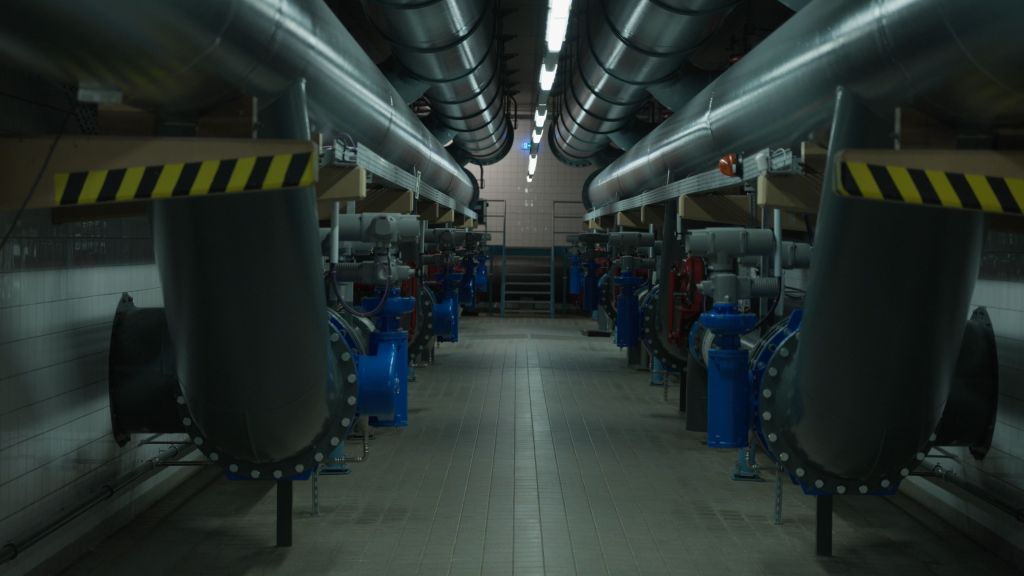
Across Europe, more than 30,000 wastewater treatment plants work around the clock to turn sewage into clean water. Climate change, increasing pollution and stricter environmental regulations are making this task increasingly complex. Over the past four years, the DARROW project developed a modular platform of AI tools that helps plant operators improve data quality, predict plant behaviour and optimise treatment processes while reducing energy consumption and environmental impact.

The video takes you to the Tilburg Wastewater Treatment Plant in the Netherlands, where DARROW’s technologies were tested under real operating conditions. Find out how AI can complement human expertise, support safer and more efficient plant operation, and contribute to the future of sustainable water management.

Downloads

By downloading any of the following media, you agree to the Consent to Rights of Use.

Related stories

Welcome back

Create your free account to download our resources

All material on Science Stories is free to use for editorial purposes under the following Consents to rights of use.

Just register and use as much footage as you like!

Consent to rights of use subject to conditions

We grant the following rights of use on the condition that:

The content is used for editorial purposes and not for commercial advertising or any other commercial use.

The following is agreed upon:

  1. we grant journalists, associations, scientists, organisations and other interested parties the non-exclusive right to use the photos, texts and videos (hereinafter referred to as “content”) provided by us and made available here for download for editorial purposes.
  2. The use of the content is permitted in all media, including print publications, online platforms, and social media.
  3. you may edit the content, provided that the edits do not distort the content or take the content out of its context.
  4. Attribution is not required.
  5. Use of the content for purely commercial purposes, such as advertising or promotion, is not permitted without our expressed written consent.
  6. These rights of use commence at the time the content is downloaded and are perpetual.
  7. You may not transfer these rights of use to any third party unless such third party agrees to be bound by the same terms, conditions and restrictions as those set out herein.
  8. These rights of use apply only to the content provided by us and do not extend to any other content or works.

By downloading the content, the user agrees to be bound by the foregoing terms and conditions.

Science Stories offers compelling stories, free video footage, interviews and other content related to European research projects under the Consents to rights of use.

Follow us